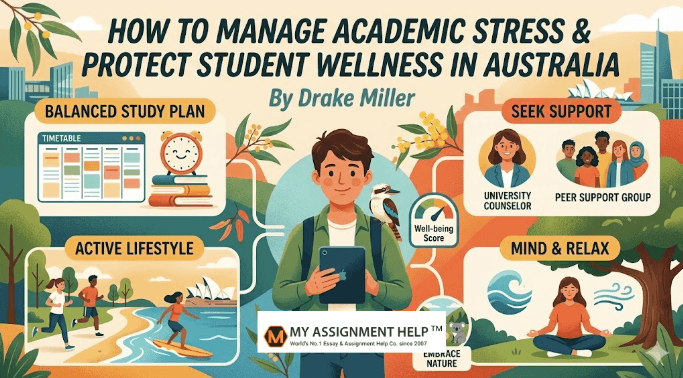
For generations, the educational journey of Australian students was viewed through a relatively straightforward lens: hard work in high school leads to a competitive Australian Tertiary Admission Rank (ATAR), which opens the door to university, which ultimately guarantees a stable career. Today, however, that traditional trajectory has fractured under the weight of modern pressures. The modern student is navigating an entirely different landscape than the generations that came before them—one defined by hyper-competition, severe economic shifts, and a non-stop digital echo chamber.
From the bustling secondary colleges of Melbourne and Sydney to the expansive lecture theatres of top-tier universities across Queensland and Western Australia, a more complex, challenging reality has emerged. The modern Australian student is ambitious, tech-savvy, and globally connected—but they are also profoundly stressed. The stakes have never felt higher, and the margin for error has never felt smaller.
According to recent youth data from national organizations like Mission Australia and Headspace, academic pressure consistently ranks as one of the top three drivers of psychological distress among young Australians. This is no longer a localized issue or a minor phase of “exam jitters.” The intersection between academic pressure and holistic student wellness has shifted from a private struggle into one of the most critical public health and educational discussions in the country. To truly understand how we can support senior high schoolers and tertiary students alike, we must examine the unique structural anatomy of Australian academic stress, its physical and psychological toll, and the actionable pathways toward long-term balance.
Why Australian Students Are Facing Unprecedented Academic Stress
Academic stress is not a new phenomenon, but its intensity, velocity, and delivery mechanisms have changed dramatically over the last decade. In Australia, this pressure manifests in distinct structural milestones that students must navigate, creating an environment where many feel they are constantly running on empty. It begins in the final years of secondary education and follows students directly into their higher education journeys.
1. How to Cope with ATAR Stress in Years 11 and 12
For senior high school students across New South Wales (HSC), Victoria (VCE), Queensland (QCE), and other states, the looming shadow of the final rank creates a high-stakes environment. Originally designed simply as a data mechanism for university placement, the ATAR has inadvertently become a societal metric of personal worth. It is not uncommon for a student’s entire teenage identity to become tied directly to a projected double-digit number.
Students are acutely aware that a fraction of a point can alter their immediate tertiary options. When complex science units or heavy workloads become overwhelming, seeking Biology homework help can alleviate the pressure, but the systemic issues that severely compromise wellness remain widespread:
- Chronic Sleep Deprivation: Students routinely trade vital restorative rest for extra study hours, creating a compounding cognitive deficit.
- A Hyper-Competitive Peer Environment: Learning is increasingly viewed as a cutthroat race against classmates rather than a collaborative, enriching experience.
- The Complete Abandonment of Outlets: Creative pursuits, competitive sports, and local community involvements are completely dropped—the very things that provide psychological relief and emotional grounding.
2. The Tertiary Transition and Financial Strain
For those who move on to Technical and Further Education (TAFE) or university, the stress does not dissipate; it evolves. Higher education students face the dual burden of advanced academic expectations and independent adult living. The modern Australian university student frequently contends with structural anxieties unique to this decade, turning what should be an exciting intellectual pursuit into an exercise in survival.
The cost-of-living crisis has hit the student demographic particularly hard. Skyrocketing rents in major capital cities like Sydney, Brisbane, and Melbourne, alongside the rising cost of textbooks, transport, and daily groceries, mean many students work part-time or even full-time hours alongside full-time study. Balancing a twenty-hour work week at a local café or retail outlet with a heavy engineering or law courseload leaves virtually zero time for cognitive decompression.
To manage these overlapping demands, many turn to Myassignmenthelp to balance their heavy workloads. Furthermore, recent indexation rises on Higher Education Loan Program (HELP) debts have made students deeply anxious about their financial futures before they even graduate. The prospect of entering a highly competitive job market with tens of thousands of dollars in indexed debt hangs heavily over their daily study sessions, magnifying the perceived cost of academic failure.
This is compounded by an “always-on” digital learning culture. While modern learning management systems like Canvas and Blackboard offer immense flexibility, they also blur the boundaries between study time and personal time. A smartphone notification about an assignment rubric modification or a peer forum post at 10:00 PM keeps the nervous system in a perpetual state of fight-or-flight.
Signs of Academic Burnout in Australian Students: The Domino Effect
When academic stress shifts from a temporary motivator that keeps you sharp (eustress) into a chronic state of overwhelm (distress), student wellness suffers across multiple dimensions. True wellness is not merely the absence of an illness or a failing grade; it is a dynamic equilibrium of mental, physical, and emotional health. When the pressure balances tip too far, the body and mind experience a predictable, devastating domino effect of degradation.
Psychological and Mental Health Erosion
The constant pressure to achieve High Distinctions (HDs) or perfect internal assessments fosters deep-seated clinical anxiety. Students frequently internalize the harmful belief that their academic output defines their human value, leading to severe imposter syndrome—the persistent fear of being exposed as an intellectual fraud despite clear evidence of success.
When a student works at maximum capacity for months on end without cognitive rest, academic burnout is inevitable. This manifests as profound emotional exhaustion, a cynical or detached attitude toward study, and a sharp drop in academic efficacy. The student feels completely detached from the subjects they once loved, trapped in a cycle of going through the motions.
Physical Health Compromises
The body keeps an accurate score of academic stress. When major deadlines stack up simultaneously, physical self-care is usually the very first element to be sacrificed. The “all-nighter” has been dangerously glorified in student culture, framed as a badge of honor or a sign of ultimate dedication.
However, chronic sleep deprivation directly impairs the prefrontal cortex—the exact part of the brain required for critical thinking, complex memory consolidation, and emotional regulation. This sleep deficit is often accompanied by poor nutritional habits. A heavy reliance on energy drinks, excessive caffeine, and highly processed convenience foods leads to sudden blood sugar crashes, systemic inflammation, and lowered immune function. This leaves students highly vulnerable to frequent physical illnesses precisely during critical exam periods.
Social and Emotional Isolation
Healthy social connections act as a vital psychological buffer against stress. However, overloaded schedules mean students often withdraw from local sports clubs, creative hobbies, and close social circles. This isolation amplifies the stress loop; without safe spaces to decompress, laugh, and process their anxieties with peers, the pressure cooker of academic life has no release valve. The student feels entirely alone in their struggle, unaware that their peers are often hiding behind the exact same mask of effortless competence.
Managing Academic Stress: Actionable Study Frameworks
Often, academic stress stems not from a lack of intelligence, dedication, or capability, but from a deficit in systemic execution. When a student feels buried under an unmanageable workload, trying to “study harder” rarely works. Instead, they need to study smarter by reclaiming control over their time and cognitive load using structured, proven frameworks.
Step-by-Step System for Tackling Large Workloads
- Deconstruct the Assessment Rubric: Perform this task immediately upon assignment release. Massive assignments can feel paralyzing, leading to chronic procrastination. Break a major 3,000-word research essay or complex technical project into small, bite-sized milestones. Set independent mini-deadlines: finding five peer-reviewed sources by Tuesday, drafting the methodology by Friday, and writing the introduction by Sunday. This drastically reduces the initial cognitive load.
- Implement the Pomodoro Technique with Spaced Repetition: Instead of forcing yourself to cram for twelve exhausting hours straight before an exam—which destroys long-term retention—break your study into 25-minute focused blocks followed by strict 5-minute breaks. Every four blocks, take a longer 30-minute break. This keeps the mind fresh, prevents mental fatigue, and leverages spaced repetition to optimize long-term memory layout.
- Leverage Proactive Academic Support Networks: Recognizing when you need help is a sign of high academic maturity, not weakness. Utilizing university writing centers, peer mentoring programs, or trusted external academic support services can clarify confusing topics and significantly alleviate assignment anxiety. Breaking down complex coursework with structural guidance allows you to approach your syllabus systematically, reducing systemic stress and restoring proper balance to your life.
See also: Address Verification and KYC Process in Fintech: Ensuring Secure Digital Onboarding
Practical Wellness Habits for the Busy Australian Student
Mitigating chronic academic stress requires deliberate, daily boundaries. If you are a student currently navigating a high-pressure Australian academic landscape, integrating small, predictable micro-habits into your daily routine can dramatically fortify your baseline resilience. Wellness does not require hours of meditation; it requires consistent, small protections.
| Dimension of Wellness | Practical Actionable Strategy | Estimated Daily Time |
| Physical | The 20-Minute Green Break: Walk outside in local Australian parkland, a botanical garden, or university campus greenery without looking at a phone screen. | 20 Minutes |
| Cognitive | Strict Digital Sunset: Turn off all academic portals, learning systems (Canvas/Blackboard), and cohort group chats at least 60 minutes before bed. | 1 Hour before bed |
| Emotional | Box Breathing: Perform structured box breathing (inhale for 4 seconds, hold for 4, exhale for 4, hold for 4) immediately prior to starting a study session or sitting an exam to settle the nervous system. | 2 Minutes |
| Social | Non-Academic Connection: Commit to one social interaction per week where discussing grades, classes, ATAR scores, or future career steps is strictly off-limits. | 1–2 Hours |
Crucial Insight: The physical and mental benefits of a 20-minute walk in nature have been shown to significantly drop cortisol (stress hormone) levels. For a student, this brief pause isn’t “wasted time”—it’s a cognitive reset that actually increases focus and problem-solving speed when you return to your desk.
Institutional Responsibilities: Moving Beyond the “Wellness Webinar”
While individual strategies are crucial, reversing the trend of escalating student stress cannot rest solely on the shoulders of the students themselves. Australian educational institutions have made positive strides in acknowledging youth mental health, but there is an urgent need to transition from reactive support systems to proactive curriculum and institutional design.
Structural Reforms for Secondary Colleges
High schools must play an active role in normalizing alternative pathways to tertiary education. The singular focus on the ATAR must be balanced by actively educating students on early entry schemes, portfolio-based admissions, and vocational pathways (VET/TAFE). When students realize that the ATAR is merely one door among many, the high-stakes panic associated with Year 12 significantly drops.
Curriculum Adjustments for Universities
Academic boards and faculty organizers should design course structures that intentionally space out major assessments. “Hell weeks”—where a student has three massive essays and two mid-semester exams due within a 72-hour window—are systemic failures of institutional planning, not student time management. Furthermore, the administrative bureaucracy required to access simple mental health extensions or accessibility adjustments should be streamlined to reduce the burden on already distressed students.
Frequently Asked Questions
Q.1 How do I know if I am experiencing normal study stress or full academic burnout?
Normal study stress is temporary and usually subsides once an exam is finished or an assignment is submitted. Academic burnout, however, is chronic. Key signs include persistent physical and emotional exhaustion, feeling cynical or completely detached from your studies, a sudden drop in your grades, and feeling like no matter how much you study, you aren’t accomplishing anything.
Q.2 What should I do if my ATAR score is lower than what I need for my dream university course?
First, remember that the ATAR is only one pathway. Most major Australian universities offer robust alternative entry schemes, including portfolio pathways, regional adjustment factors, and early offer programs. Alternatively, you can enroll in a pathway diploma at TAFE or a university college, which often allows you to transition directly into the second year of your desired bachelor’s degree if you maintain steady marks.
Q.3 How can working students balance a job with a full-time university assignment workload?
The key is utilizing proactive time-blocking and chunking down assessment rubrics early. Avoid waiting until the week an assignment is due. If your course load becomes completely overwhelming due to shifting financial or work demands, speak to your university’s student services team about transitioning down to part-time study status, which can drastically alleviate daily mental strain.
Conclusion: Shifting the Internal Narrative Toward Balanced Excellence
Ultimately, achieving sustainable student wellness across Australia requires changing how our culture defines youth success. An academic transcript, an ATAR score, or a university grade point average is a record of your performance in specific subjects at a specific point in time; it is not, and never will be, a holistic reflection of your human intellect, your capability, or your future impact on the world.
The connection between academic stress and student wellness in Australia is undeniable. As our economic and educational landscapes become increasingly competitive, the structural pressures on high school and tertiary students will continue to mount. However, personal excellence and genuine well-being do not have to be mutually exclusive concepts.
By implementing smart study methodologies, establishing strict digital boundaries, utilizing reliable academic support networks, and fiercely protecting physical and mental health, Australian students can achieve their highest academic aspirations without sacrificing their wellness. True education should expand a young person’s future options, not diminish their present health. It is time to recalibrate the scales, prioritizing holistic well-being alongside academic achievement for a healthier, more sustainable future.
About the Author – Drake Miller
I am an experienced content writer associated with Myassignment.services, specializing in educational and student-centric topics. I create engaging blogs on assignment assistance, effective study habits, time management, and academic success strategies. With a clear and informative writing approach, I support students in overcoming academic difficulties, enhancing their knowledge, and achieving better results through practical guidance and valuable educational insights.