Cataract surgery restores clarity by replacing a cloudy natural lens with a clear artificial one. Many people expect their vision to feel immediately normal after the procedure, but the experience is often more gradual. While the eye heals physically, the brain also needs time to adjust to new visual input.
This adjustment process can influence how light is perceived. Some individuals notice increased brightness or sensitivity in the early stages after surgery. Understanding why this happens can make recovery feel more predictable and less concerning.
What Changes After Cataract Surgery
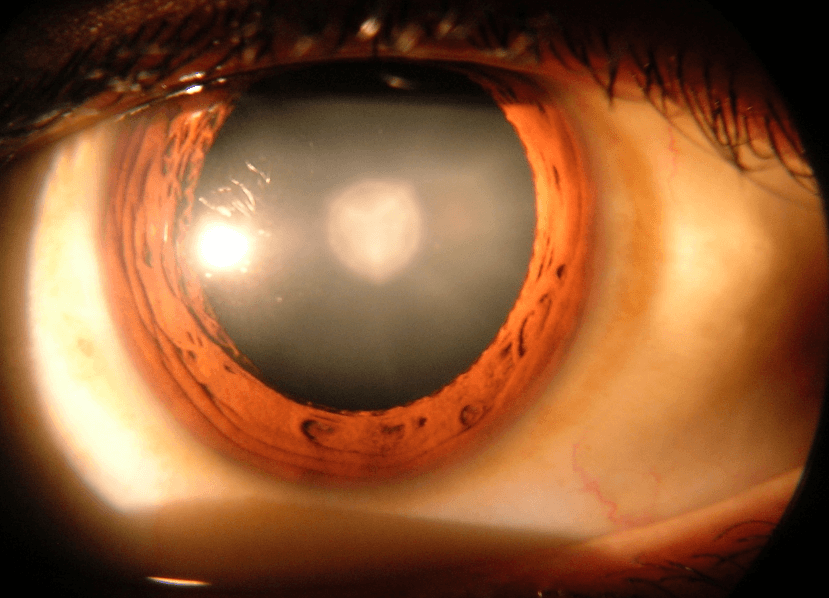
Before surgery, cataracts scatter light as it enters the eye, leading to dim or blurry vision. Once the cloudy lens is removed, light passes through more clearly. This results in sharper images and brighter colors.
However, the sudden increase in light can feel overwhelming at first. The eye is now receiving more light than it has in a long time, and the brain must adjust to this change.
This is where the concept of visual adaptation becomes important.
Understanding Neuroadaptation in Vision
Neuroadaptation refers to the brain’s ability to adjust to new visual conditions. After cataract surgery, the brain learns how to process clearer and brighter images. This process helps improve comfort and stability in vision over time.
During this period, individuals may notice changes in how light feels or how quickly the eyes adjust between different lighting conditions. These experiences are a normal part of adaptation.
For a closer look at how these changes affect perception, this explanation of neuroadaptation light sensitivity explores how the brain responds to increased brightness after surgery.
Why Light Feels Stronger at First
After surgery, the eye allows more light to reach the retina than it did before. The brain, which has adapted to reduced light levels, initially perceives this increase as excessive. This can lead to temporary sensitivity or discomfort in bright environments.
Over time, the brain adjusts its response, and light begins to feel more natural. This adaptation usually happens gradually and varies from person to person.
Simple measures such as wearing sunglasses can help manage this phase.
The Role of the Brain in Visual Comfort
Vision is not just about the eye—it is also about how the brain interprets what the eye sees. Even after the eye has healed, the brain continues to refine how it processes visual information.
This is why some individuals experience fluctuations in clarity or brightness during recovery. The brain is learning to interpret sharper images and increased light levels.
As this process continues, vision becomes more stable and comfortable.
Factors That Influence Adaptation
The speed of neuroadaptation can vary depending on several factors. Age, overall eye health, and how long cataracts were present before surgery can all influence the adjustment process.
The type of intraocular lens used may also affect how the brain adapts. Some lenses create different visual experiences that require more time for adjustment.
Understanding these factors helps set realistic expectations for recovery.
Supporting the Adjustment Process
There are simple ways to support neuroadaptation. Gradually exposing the eyes to different lighting conditions can help the brain adjust more comfortably. Taking breaks from bright environments can also reduce strain.
Maintaining overall health supports the body’s ability to adapt. This article on healthcare systems and patient care highlights how broader health practices can influence recovery and well-being.
Combining patience with practical steps helps ease the transition.
Long-Term Vision Stability
As neuroadaptation progresses, vision typically becomes more consistent. Light sensitivity decreases, and the eyes adjust more easily to different environments. Most individuals find that their vision feels natural again after a few weeks or months.
Regular follow-up appointments help ensure that both the eye and brain are adapting as expected. Any concerns can be addressed during these visits.
This ongoing care supports long-term visual comfort.
Maintaining Healthy Vision After Recovery
Once the adjustment period is complete, maintaining eye health becomes the focus. Regular eye exams help detect changes early and ensure that vision remains stable. Protecting the eyes from excessive sunlight and reducing screen strain can also support long-term comfort.
Healthy habits, including proper nutrition and hydration, contribute to overall eye function. For additional guidance on maintaining eye health, this resource from Health.com provides helpful information about caring for your eyes.
Taking a proactive approach helps preserve clear vision.
Conclusion
Adjusting to vision after cataract surgery involves more than physical healing. The brain plays a key role in interpreting new visual input, and this process takes time. Neuroadaptation allows the visual system to adapt to increased brightness and clarity.
By understanding this process and allowing time for adjustment, individuals can approach recovery with greater confidence. With patience and proper care, vision typically becomes stable, comfortable, and easier to rely on in everyday life.